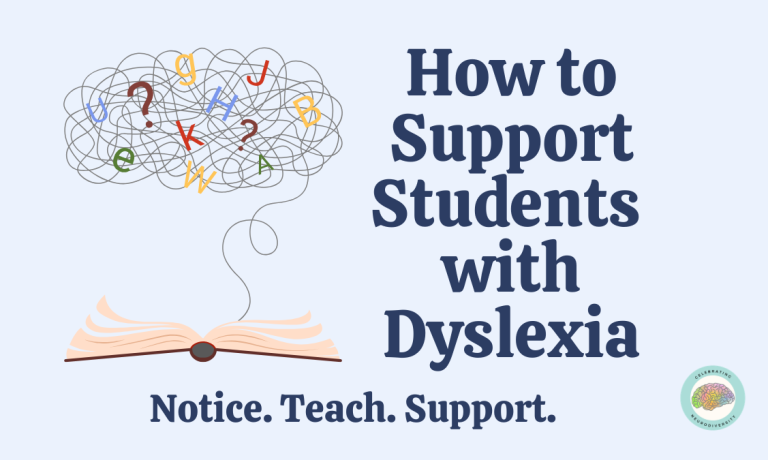
Supporting Students with Dyslexia Begins with Understanding
Supporting a student with dyslexia begins with understanding what the child is experiencing and knowing how to respond. Teachers and families do not need to have all the answers, but they can make a meaningful difference by recognizing possible signs of dyslexia, providing effective reading instruction, and supporting the whole child.
As someone with dyslexia and as a reading specialist, I understand both the academic and emotional sides of learning to read. I created this collection of dyslexia resources for teachers and families as a place to begin.
You do not need to read everything at once. Choose the section that best matches what you need right now: Notice. Teach. Support.
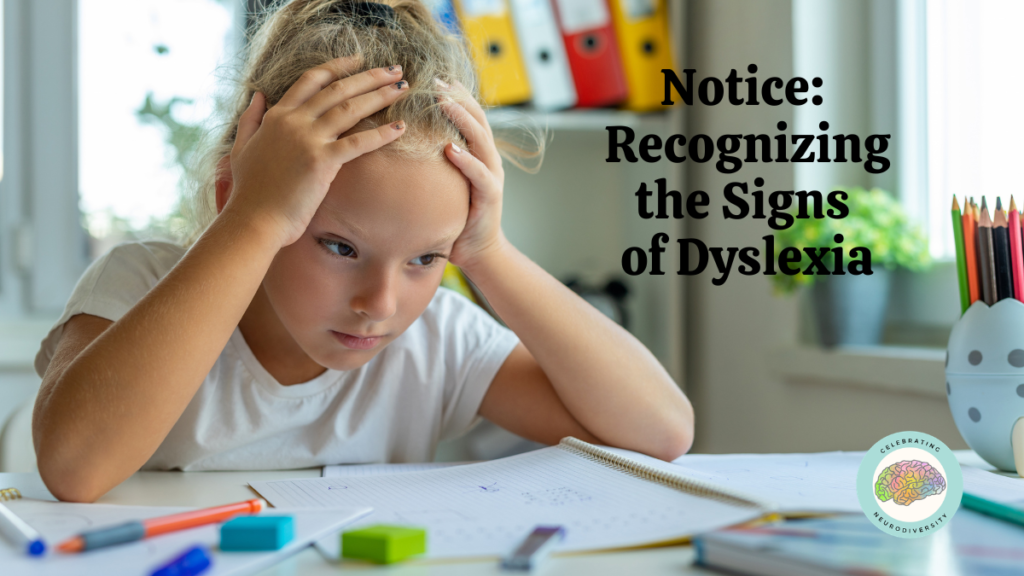
Notice: Recognizing the Signs of Dyslexia
Early identification can change a child’s path. Dyslexia is more than reversing letters, and its signs can look different from one child to another.
You do not have to diagnose dyslexia to notice patterns, document concerns, begin providing support, and ask whether additional assessment may be needed.
Learn more about dyslexia and reading difficulties:
What Is Dyslexia?
Begin with an overview of dyslexia and how it can affect reading and written language.
How to Identify Signs of Dyslexia in Children So You Can Help Them Succeed
Learn about signs that teachers and families may notice at different ages.
Spotting Dyslexia in Preschool: What Parents Need to Know and What They Can Do
Explore possible early signs of dyslexia before children begin formal reading instruction.
Mastering Reading Assessments: How to Identify and Provide Reading Support
Learn how different reading assessments can help identify a student’s needs and guide the next steps.
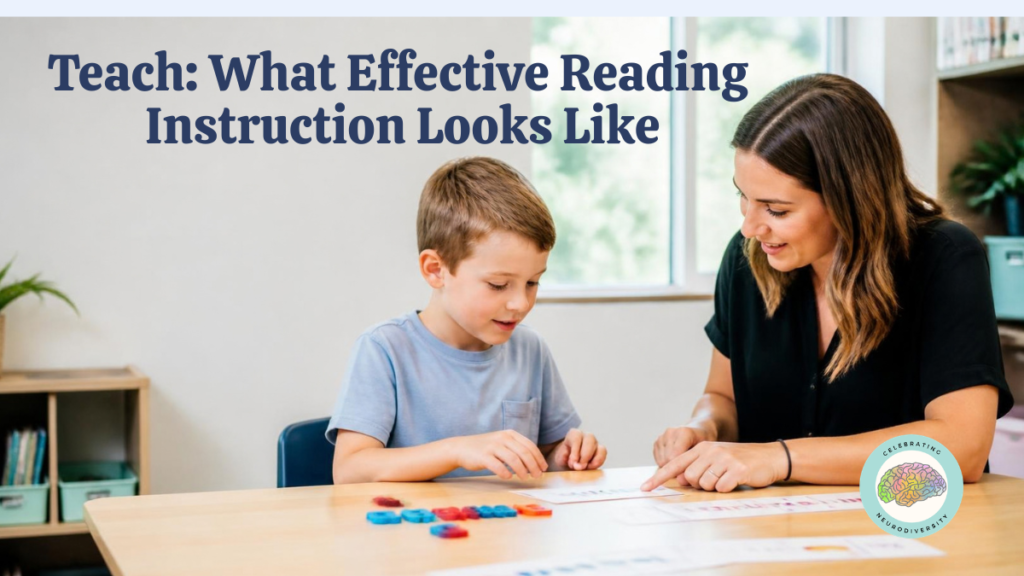
Teach: Effective Reading Instruction for Students with Dyslexia
Students with dyslexia need reading instruction that is explicit, systematic, cumulative, and responsive to their individual needs.
Effective instruction makes the structure of language clear. It directly teaches the connections among speech sounds, letters, spelling patterns, syllables, and meaningful word parts while providing plenty of supported practice.
Learn more about effective reading instruction:
3 Powerful Lessons Every Teacher Should Know About Structured Literacy
Discover three lessons that can help teachers feel more confident when supporting struggling readers.
Step-by-Step Guide to Structured Literacy Lesson Plans: Inspired by UFLI Foundations
See what the components of an explicit and organized structured literacy lesson can look like.
Phonics Assessment Made Simple: How to Plan Lessons That Actually Work
Learn how to use assessment information to identify an instructional starting point and plan targeted lessons.
What Is Phonological Awareness and Why Is It Essential for Reading Success?
Build your understanding of this essential foundation for reading and spelling.
How to Assess and Act on Phonological Awareness Gaps
Learn how to identify phonological awareness difficulties and use that information to plan instruction.
Support: Accommodations and Emotional Support for Dyslexia
Dyslexia affects more than reading and spelling. Repeated struggles can influence a child’s confidence, motivation, willingness to take risks, and feelings about school.
Students need effective reading intervention, but they also need accommodations that provide access to learning and adults who recognize their effort, intelligence, and strengths.
Learn more about supporting the whole child:
The Emotional Side of Dyslexia: Building Resilience and Fostering Growth
Learn how reading difficulties can affect a child emotionally and how adults can help protect confidence and build resilience.
Accommodations for Dyslexia and Other Learning Differences
Explore ways to give students equitable access to information and opportunities to demonstrate what they know.
I Love Audiobooks for Kids!
Learn why audiobooks are an important tool for helping students access vocabulary, knowledge, and the joy of stories.
Dear Teacher, I Have Dyslexia
Consider school through the eyes of a student with dyslexia and the difference a supportive teacher can make.
Dyslexia: A Personal Story
Read about my personal experience growing up with dyslexia and how it shaped the educator I became.
Trusted Dyslexia Resources for Teachers and Families
If you would like to continue learning about dyslexia and effective reading support, these trusted organizations offer additional research, guidance, and practical resources:
- International Dyslexia Association Fact Sheets: Access research-based information about dyslexia, structured literacy, assessment, accommodations, and effective reading instruction.
- Yale Center for Dyslexia & Creativity: Resources for Parents: Find expert information, family stories, and practical tools for understanding and supporting children with dyslexia.
- Dyslexia Basics from Reading Rockets: Explore an accessible overview of dyslexia, including common signs, effects, and ways teachers and families can provide support.
These resources are a helpful starting point, but you do not have to learn everything at once. Begin with the information that connects most closely to the needs of your child or student.
You Can Make a Difference
You do not have to know everything about dyslexia to make a meaningful difference in a child’s life.
Notice the signs. Ask questions. Use assessment to identify specific needs. Provide explicit, evidence-aligned instruction. Offer accommodations that create access. Most importantly, remind children that difficulty with reading does not define their intelligence, strengths, or potential.
Notice. Teach. Support.
Every child deserves to feel understood, supported, and capable of becoming a reader.